



What is an Editorial Calendar?
Writing is easy when you have a schedule to follow

Looking for a way to stay organized and increase your
productivity? Try using an editorial calendar.
Whether you're a veteran writer or just starting out as an online blogger, you may struggle to find the time and motivation to write, even though you’re brimming with ideas. What's happening? Planning—or lack thereof—might have something to do with it; we’d like to share a scheduling secret that's designed to get you writing.
Take a page from magazine editors
Want to write more articles? And more often? Then follow in the footsteps of magazine editors and utilize an editorial calendar. An editorial calendar is a way to keep track of what you want to write, and when you want to write it. Originally, this concept was used by magazines and newspapers while planning future issues; editors needed a way to keep track of prospective assignments. Today, many magazines publish their calendar online, which allows advertisers to know what will be published in upcoming issues and provides them with the opportunity to purchase appropriate ads. Many freelance writers also use an editorial calendar to organize their writing schedules, as they may write for multiple publications and have numerous deadlines.
But how is this going to help me?
Even if you have no advertising worries, you may need to be aware of the topics you're currently writing about, what you've written about in the past, and what you hope to discuss in the future. Creating your own editorial calendar is an easy way to monitor these topics. An editorial calendar can help you plan posts or articles, sort out your ideas, and keep you on track by allowing you to set daily and weekly goals. Sometimes the hardest thing about writing is figuring out how to start! While everyone has heard about writer's block, many don't realize that procrastination causes writers just as much stress. You can ease that stress and find your own writing rhythm by creating an editorial calendar.
What an editorial calendar looks like
Your editorial calendar can be as simple or as detailed as you'd like, but your first step in creating one should be to brainstorm a list of things you'd like to write about. If you are a blogger or columnist, we suggest coming up with topics you'd like to cover. Coming up with a list will keep you from blogging about topics you've already written about.
Now, depending on how detailed you'd like your calendar to be, figure out how much you'd like to write in a day, a week, a month, or a year. Set a goal for yourself: how many posts or articles do you want to write, and in what period of time?
Don't dread deadlines
Once you have a list of ideas and some writing goals, it's time to start setting deadlines for yourself. For example, if you want to write one blog post a week, go through your list of blog topics and set a due date for each one. You may find it helps to set small goals, such as writing a certain amount of time every day. It might also be helpful to provide as many details as possible about your approach to each topic. Simply deciding that you want to write one post a week might not make it easier to do, but specifying that you want to write a post this week about environmentally friendly cleaning products, for example, will help clarify what you want to write about and when it should be written.
Make your calendar right now
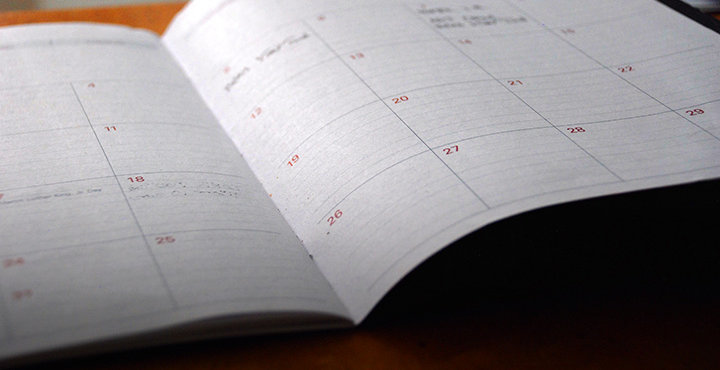
You can set up an editorial calendar in a variety of ways. You may choose to use an actual calendar or an online version, or even create your own using an Excel spreadsheet. If scheduling a particular time helps you stay focused, then go ahead and set a daily writing period for each day, making sure the allotted times suit your creative needs. You can also schedule time for other important aspects of the writing process, such as researching, editing and proofreading, and publishing. This is your calendar. There is no right or wrong way to do it, as long as it works for you.
An editorial calendar can keep your writing on track, help guard against writer's block, and prevent you from procrastinating. Organize your ideas today and enjoy a more productive writing experience tomorrow. If you are too busy to edit your documents, or want someone to go over your writing, have our personal document editors take a look at your latest work of art!
Related Posts

Organizing Information for Business Writing
While it's natural to simply want to put pen to paper and begin plugging away at that technical document or business proposal, a little planning before you begin to write may save you from a room full of blank stares at the next office meeting.
The Scribendi.com Glossary
A free glossary of writing terms from Scribendi.com.